Source Solvent Resistant Paint Mixing Cups for auto repair, home painting, and industrial coating
Compare 20 Solvent Resistant Paint Mixing Cups from verified suppliers in China. These PP cups feature custom sizes, printed logos, and anti-static properties for professional automotive and industrial painting applications.
Key considerations
Products List



Comprehensive Sourcing Guide
Strategic Sourcing Guide for Solvent Resistant Paint Mixing Cups
The procurement of solvent-resistant paint mixing cups is a critical component in industrial painting, automotive refinishing, and high-performance coating applications. These vessels must withstand aggressive chemical exposure while maintaining structural integrity during the mixing process. Based on current market observations, the supply chain for these specialized containers is characterized by a diverse range of material compositions, primarily polypropylene (PP), and varying capacity standards. Buyers must navigate a landscape where customization is a standard offering, with suppliers frequently providing OEM services to meet specific branding and functional requirements. This guide outlines the essential technical, compliance, and operational factors necessary for a successful procurement strategy.
Technical Specifications and Material Integrity
The foundational requirement for any paint mixing cup is its ability to resist solvents without degrading, warping, or leaching chemicals into the mixture. The supplied product data indicates that Polypropylene (PP) is a primary material used in this category. PP is selected for its inherent chemical resistance, making it suitable for a wide array of automotive and industrial solvents. However, buyers must verify that the specific PP grade used by a supplier meets the rigorous demands of the intended application, as not all PP formulations offer identical resistance profiles.
Capacity is another critical specification. Market observations reveal a broad spectrum of available sizes, ranging from small 100ml units to large 5000ml containers. Specific models in the current supply pool are designated for standard volumes such as 32 oz (1 Quart), 400ml, 600ml, and 1100ml. When sourcing, procurement teams should ensure that the selected cup size aligns with the batch volume requirements of their production line. Over-sizing leads to waste and inefficient mixing, while under-sizing can cause spills and contamination. The data also highlights specific model identifiers like AS-4-84, AS-2-02, and FMC1000, which serve as unique references for capacity and design variations.
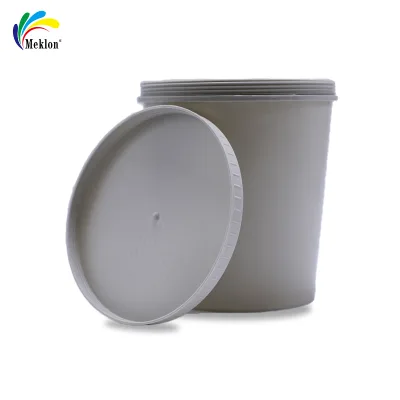
Furthermore, the physical design often includes specific accessories to enhance utility. Many observed listings feature cups equipped with covers, collars, and stoppers. For instance, one configuration includes one outer cup, one collar, fifty liners, fifty lids, and twenty stoppers per unit. This "Mix & Paint 2 in 1" feature suggests a design philosophy focused on reducing cross-contamination and streamlining the workflow. The presence of a "Mix Cup" feature indicates that the geometry is optimized for agitation, ensuring thorough blending of paints and hardeners.
Compliance, Certification, and Safety Standards
In the industrial sector, compliance is not merely a formality but a prerequisite for safety and liability management. The supply data explicitly mentions ISO certification as a verified attribute for certain products. While this indicates a commitment to quality management systems, buyers must confirm that the specific ISO standard (e.g., ISO 9001) applies to the manufacturing facility and the specific product line being purchased. Relying solely on the presence of an ISO badge without verifying the scope of certification can lead to gaps in quality assurance.
Beyond general management certifications, the chemical safety of the cup itself is paramount. The product advantage listed as "Solvent Resistant and Anti-Static" addresses two major hazards: chemical degradation and static electricity buildup. In environments where flammable solvents are used, static discharge can ignite vapors. Therefore, the anti-static property is a vital safety feature that must be validated through independent testing rather than assumed based on product descriptions. Buyers should request Material Safety Data Sheets (MSDS) or specific chemical resistance charts from the supplier to confirm that the cup material is compatible with the specific solvents used in their operations.
Additionally, the "Disposable" nature of these cups is a key attribute. While this offers convenience, it raises questions about waste management and environmental compliance. Procurement teams should inquire about the recyclability of the PP material and whether the supplier offers take-back programs or uses recycled content, as this can impact the organization's sustainability goals.
Cost Drivers and Pricing Dynamics
The pricing for solvent-resistant paint mixing cups is influenced by several variables, including material costs, customization levels, and order volume. The observed price range in the market spans from $0.75 to $385.99, a significant variance that reflects differences in capacity, packaging complexity, and order quantity. A single 100ml cup will naturally cost significantly less than a bulk order of 5000ml industrial-grade containers.
The Minimum Order Quantity (MOQ) is a primary cost driver. Data indicates an MOQ range of 1 to 500 units, with specific listings showing MOQs of 100 boxes. Buyers with lower volume needs may face higher per-unit costs unless they can aggregate demand or find suppliers with flexible low-MOQ policies. Conversely, larger orders often unlock economies of scale, reducing the unit price. However, the total cost of ownership must also account for packaging. Some suppliers offer bulk packaging like 200 pieces per box or 96 pieces per carton, while others use 50 pieces per PE bag. Efficient packaging reduces shipping costs and minimizes damage during transit, which is a hidden cost often overlooked in initial price comparisons.
Customization is another factor that impacts cost. The availability of OEM services and logo printing (1c or 2c) adds value but also incurs additional setup and production fees. Buyers must weigh the branding benefits against the incremental cost, especially if the cups are used internally where branding is not required.
Typical Applications and Usage Scenarios
Solvent-resistant paint mixing cups are indispensable in industries where precision and chemical compatibility are non-negotiable. The automotive sector is a primary user, particularly in body shops where paint mixing requires exact ratios and the use of aggressive solvents. The "Car Painting Cup" designation in the product data confirms this specific application. In these environments, the cups must resist thinners, reducers, and cleaning agents without failing.
Beyond automotive, these cups are utilized in aerospace, marine, and general industrial coating applications. The wide range of available sizes, from 300ml to 1800ml, supports various stages of the painting process, from small touch-ups to large-scale priming. The "Simple" and "Fancy" style options suggest that design preferences vary by region or client, but the functional requirement remains consistent: a robust vessel for mixing.
The "Adult" age specification indicates that these products are intended for professional use by trained personnel, rather than consumer DIY markets. This distinction is important for liability and training purposes, as professional users require cups that can withstand repeated handling and the rigors of an industrial environment.
Supplier Evaluation and Operational Capabilities
Selecting the right supplier requires a deep dive into their operational capabilities and flexibility. The data shows that the origin of these products is primarily Shandong Qingdao, China, a major manufacturing hub for plastic products. While this region offers competitive pricing and high production capacity, buyers should verify the specific factory's track record for quality consistency.
Key evaluation criteria include the supplier's ability to handle customization. The "Customized" and "OEM" attributes are prevalent, meaning most suppliers can adapt the product to specific needs. However, buyers should assess the lead times for custom orders versus standard stock items. The "Method Type: Manual" observation suggests that some production processes may rely on manual assembly, which could impact consistency and throughput. Automated production lines generally offer better quality control for high-volume orders.
Packaging standards are also a critical evaluation point. Suppliers offering "Carton/Pallet" shipping for large orders facilitate easier logistics and storage. In contrast, those offering "50PCS/PE Bag" packaging may require more labor for unpacking and sorting. Buyers should request samples to evaluate the durability of the packaging and the ease of use of the cups themselves.
Quality Control and Long-Term Procurement Strategy
Implementing a robust quality control (QC) process is essential for mitigating the risks associated with solvent-resistant cups. Given the critical nature of the application, visual inspection is insufficient. Buyers should establish a protocol that includes random sampling for chemical resistance testing. This involves exposing the cups to the specific solvents used in their operations for a set duration and checking for signs of swelling, cracking, or discoloration.
The "Condition: New" attribute confirms that products are generally sold as new, but buyers must ensure that the supply chain does not involve refurbished or recycled materials unless explicitly stated and approved. Long-term procurement strategies should focus on building relationships with suppliers who demonstrate a commitment to continuous improvement and transparency. This includes regular audits of the manufacturing facility and open communication regarding any changes in material composition or production methods.
Furthermore, buyers should consider the scalability of their supply chain. As production volumes fluctuate, the ability of the supplier to ramp up or down without compromising quality is vital. The observed MOQ of 100 boxes suggests that suppliers are geared toward medium-to-large volume orders, which may require buyers to plan their inventory carefully to avoid stockouts or overstocking.
Comparison of Product Attributes
To assist in decision-making, the following table summarizes key attributes observed in the current market for solvent-resistant paint mixing cups. This comparison highlights the variability in specifications that buyers must navigate.
| Attribute | Observation Range / Specific Values | Procurement Implication |
|---|---|---|
| Material | PP (Polypropylene) | Verify chemical resistance grade for specific solvents. |
| Capacity | 100ml to 5000ml (e.g., 32oz, 400ml, 1100ml) | Match capacity to batch size to minimize waste. |
| Certification | ISO (Verified in some listings) | Confirm scope of ISO certification for manufacturing. |
| Customization | OEM, Logo (1c/2c), Customized | Factor in setup costs and lead times for branding. |
| Packaging | 200PCS/Box, 96PCS/Carton, 50PCS/PE Bag | Optimize for shipping efficiency and storage. |
| MOQ | 1 to 500 (Common: 100 boxes) | Plan inventory to meet minimum thresholds. |
| Features | Mix & Paint 2 in 1, Anti-Static, With Cover | Ensure features align with workflow requirements. |
| Origin | Shandong Qingdao, China | Consider logistics and supply chain stability. |
In conclusion, sourcing solvent-resistant paint mixing cups requires a balanced approach that prioritizes technical compatibility, safety compliance, and operational efficiency. By carefully evaluating the material properties, verifying certifications, and understanding the cost drivers, buyers can secure a reliable supply chain that supports their industrial painting operations. The diversity of options available in the market allows for tailored solutions, but success depends on rigorous due diligence and a clear understanding of the specific needs of the application.
FAQs
What material is used for Solvent Resistant Paint Mixing Cups?
Polypropylene is the primary material used for these cups due to its inherent chemical resistance. This material ensures the vessel withstands aggressive solvents without degrading or leaching chemicals into the mixture during the paint mixing process.
Can these cups be customized with logos and branding?
Yes, customization is available with options for 1c or 2c logo printing. Suppliers offer OEM services to meet specific branding requirements, allowing buyers to add their company name or design to the product surface.
Which certification standards apply to these paint mixing cups?
ISO certification is verified for certain products in the supply pool. Buyers should confirm the specific scope of this certification to ensure the manufacturing facility meets the required quality management systems for industrial applications.
How are the cups packaged for shipping and storage?
Packaging varies by model, with options including 200 pieces per box or 96 pieces per carton. Some configurations also include accessories like collars, liners, and stoppers packed together to streamline the workflow for the end user.
What is the minimum order quantity for these mixing cups?
The minimum order quantity ranges from 1 to 500 units depending on the supplier. Specific listings often show an MOQ of 100 boxes, so buyers must plan their inventory to meet these minimum thresholds.
Where are these solvent resistant cups manufactured?
The primary origin for these products is Shandong Qingdao, China. This region is a major manufacturing hub for plastic products, offering competitive pricing and high production capacity for industrial buyers.
What capacity sizes are available for these mixing cups?
Available sizes range from 100ml to 5000ml, including standard volumes like 32 oz and 400ml. Buyers should select a size that aligns with their batch volume requirements to minimize waste and ensure efficient mixing.